
Oral care at home
Eating and oral hygiene with braces
A practical guide to oral hygiene with braces: the first days, food to limit, brushing around brackets, useful tools and what to do when a bracket comes loose.
· 4 min read ·

Orthodontics & braces
A teenager's cooperation has a big effect on how braces progress. How parents can support hygiene, elastics, aligner wear, confidence and school schedules.
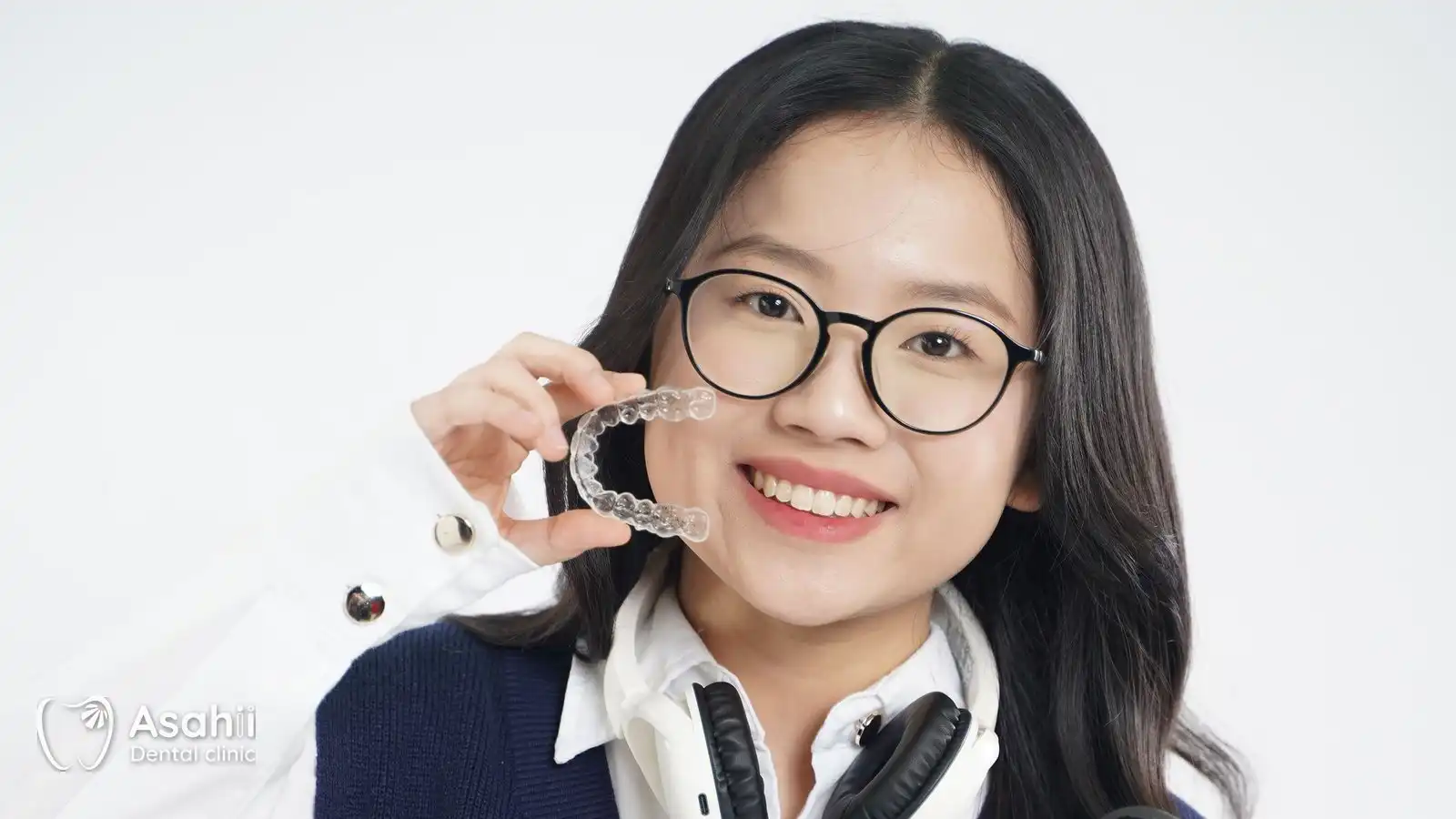
When a child starts braces at 12 to 16, parents tend to worry about cost and results. But one factor that gets less attention has a big effect on progress: your teenager's own cooperation. The orthodontist plans and adjusts the appliance; the daily work at home of brushing, wearing elastics and wearing aligners for enough hours belongs to your child. This article suggests how to support them without becoming the "supervisor".
In short: • Your teenager's cooperation has a big effect on progress: cleaning, wearing elastics, wearing aligners for enough hours and keeping appointments. • Teenagers cooperate better when they understand why they are having braces and share in the decisions. • Turn care into a daily routine they manage themselves with reminders and kit left ready, rather than constant nagging. • When they lose heart, ask what is hard and set short goals; retainers are still needed after the braces come off.
See also How long do braces take? The stages of orthodontic treatment.
Teenagers want to be respected and to have some independence. They cooperate better when they understand why they are having braces and have a say in the choices.

There is more detail in Eating and oral hygiene with braces. If your teenager has braces at Asahii Dental Clinic, the after-bonding care instructions are in the Zalo Mini App, so they can look things up themselves instead of being told.
Explain which foods to limit rather than banning things. Have favourite foods ready that are safe for the appliance, especially in the first days after fitting or a wire change when the teeth are tender.
Some teenagers feel shy about smiling or being photographed when the braces first go on. Parents can:
Check-ups are usually a few weeks apart. Some suggestions:

Sometimes teenagers get tired and discouraged halfway through. Instead of comparing or blaming:
Tip from Dr. Chu Thuy Trinh: Let your teenager own the elastics and aligners. Fewer reminders and well-timed praise usually get better cooperation.
Your teenager's part is not over. Wearing retainers as instructed is how the result is kept, and teenagers are the most likely to forget. There are several types of retainer (a fixed wire, a removable plate, clear trays such as Invisalign's Vivera); the wearing schedule and follow-up visits are written into your child's plan by Dr. Chu Thuy Trinh. See After braces: why retainers matter.
Every treatment plan has its own requirements, so let the orthodontist give your teenager specific guidance at each visit. See our orthodontics and braces page or book an appointment by hotline 0928 888 121, Zalo or the Mini App.
Inter-arch elastics are often an important part of correcting the bite. Forgetting them regularly can make progress slower than expected. Tell the orthodontist so you can find a way to fix it.
Aligners suit many cases but need the wearer to be disciplined about wear time. The orthodontist considers the teeth and how well your teenager is likely to cooperate before recommending them.
Not usually in any significant way. Teeth may be tender for a few days after each adjustment. Avoid booking wire changes right before an important exam.
There's no need to check every day. Look at the teeth together under a good light now and then, and ask the orthodontist about hygiene at each visit.
This article is general information reviewed by our dentist; it is not a diagnosis. Only an examination can say what your teeth need.
Tap a star — 1 is not helpful, 5 is very helpful.
Thank you! Your rating helps us write better.
Could not send right now — please try again later.Leave your number — reception calls back to agree a time. The dentist explains and quotes before any treatment.
A practical guide to oral hygiene with braces: the first days, food to limit, brushing around brackets, useful tools and what to do when a bracket comes loose.
· 4 min read ·

How long braces take, the stages of a course of orthodontic treatment, what makes it longer or shorter, and how to keep your treatment on schedule.
· 4 min read ·

Metal braces, ceramic braces and clear aligners compared on appearance, hygiene, appointments and suitability, and how your orthodontist chooses.
· 4 min read ·
Book a visit
Leave your phone number – our front desk will call you back to find a time that suits you.