Asahii Dental clinic
+84 928 888 121 Book a visit

Oral care at home

Brushing, flossing and water flossers: how to do it right

How to brush properly, choose a brush and toothpaste, use floss and a water flosser, and the common mistakes in everyday oral hygiene.

Brushing properly, flossing and using a water flosser together clean the teeth thoroughly

Almost everyone brushes every day, yet decay and gum inflammation remain common. The reason is usually not brushing too little but brushing in the wrong places: missing the gum line, the inside surfaces, and the spaces between teeth that a brush cannot reach. This article goes through each tool and how to use it so that two minutes morning and night really count.

Choosing a brush and toothpaste

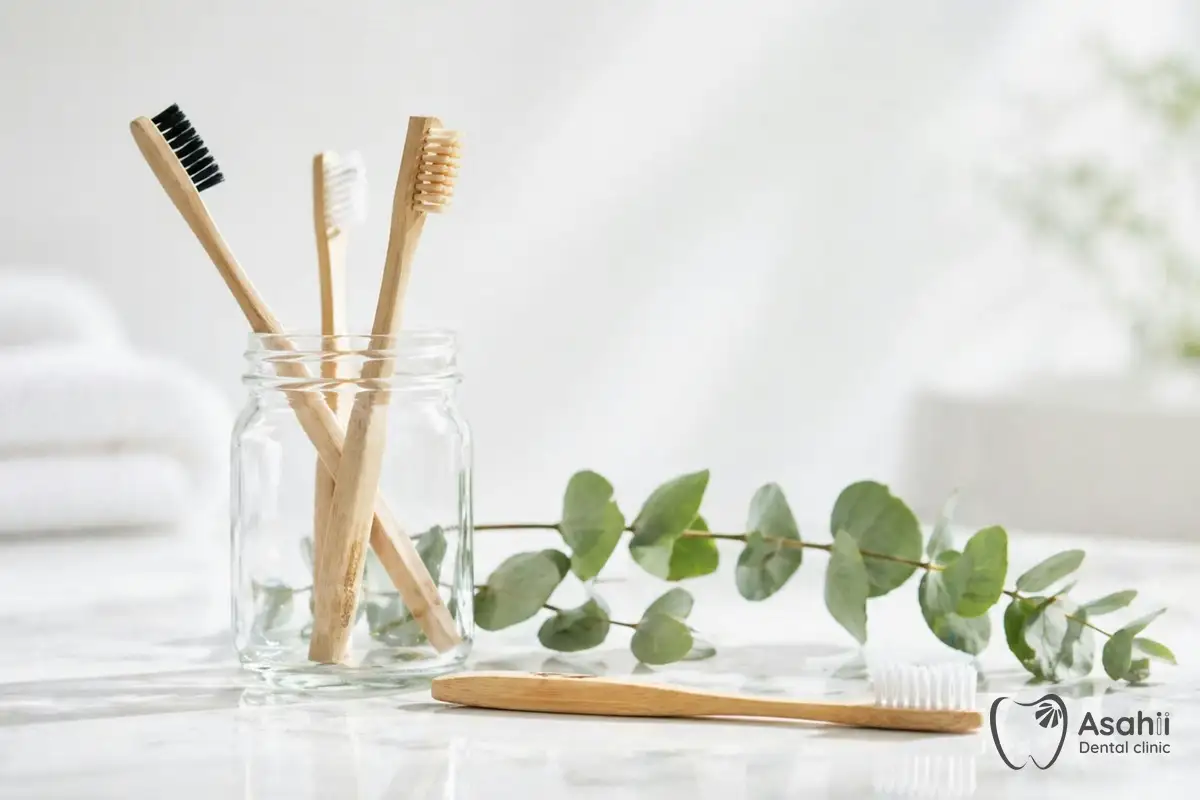
Choose a soft, small-headed toothbrush and a fluoride toothpaste for daily brushing
  • Brush: soft bristles, a small head that fits in the mouth to reach the back teeth. Replace it every three months or when the bristles splay. An electric brush helps many people brush more evenly and has a timer, but a manual brush used properly is enough.
  • Toothpaste: fluoride is the most important criterion; fluoride helps enamel resist decay. People with sensitive teeth should choose a desensitising paste. "Whitening" pastes used with heavy scrubbing can wear enamel; ask your dentist if your teeth are sensitive. For children, the amount and fluoride strength depend on age, see Tooth decay in children.

Brushing technique

Brush gently for at least two minutes, with the brush angled at 45 degrees to the gums
  • Brush twice a day, two minutes each time. The night brush matters most, because saliva flow drops at night and bacteria are most active. For young children, the "Brush with Asa" game in Asahii Dental Clinic's Zalo Mini App times the full two minutes and awards a star when they finish, so nobody has to watch the clock.
  • Tilt the brush 45 degrees towards the gum line, vibrate gently in place a few times, then sweep towards the biting surface. Repeat for each group of two or three teeth.
  • Cover all three surfaces: outside, inside and biting surface. For the inside of the front teeth, hold the brush upright and brush up and down.
  • Use light pressure. If the bristles splay within a few weeks, you are pressing too hard.
  • Brush the tongue gently to reduce bad breath.
  • After brushing, spit but do not rinse with a lot of water, so the fluoride stays on the teeth.
  • Do not brush straight after acidic food or drink; wait about 30 minutes.

Floss

A toothbrush cleans about three surfaces of each tooth; the two surfaces between teeth can only be cleaned with floss or interdental brushes. Decay between teeth and gum inflammation between teeth are the most common problems in people who "brush very carefully but never floss".

  • Take about 40 cm of floss, wind the ends around your middle fingers and hold a short stretch taut between thumbs and index fingers.
  • Ease the floss through the contact point with a gentle sawing motion; do not snap it down into the gum.
  • Curve it into a C around one tooth, slide it up and down along the tooth surface and gently just below the gum line, then do the other side of the same gap.
  • Move to a clean section of floss for each gap. Do the back teeth too.
  • Once a day, best at night before brushing.
  • Wide gaps, receding gums, braces, bridges: use interdental brushes of the right size, or floss with a stiff threading end. Patients in braces at Asahii have a guide to cleaning around brackets right in the Mini App.

Water flossers

A water flosser sprays a jet of water that clears food debris and some plaque from between the teeth, around brackets, under bridges and around implants. It is very useful for people with braces, restorations, or who struggle with floss, but the jet does not scrape off the sticky plaque film the way floss does. So:

  • Use a water flosser in addition to, not instead of, brushing and flossing.
  • Start on low pressure, lean over the sink, trace the gum line with the tip and pause a few seconds at each gap.
  • Use warm water; mouthwash can be added as the manufacturer directs.
  • Clean the reservoir, let it dry, and replace the tip periodically.

Mouthwash

A supporting step. Fluoride mouthwash helps against decay; antibacterial mouthwash is for short-term use as prescribed when the gums are inflamed. Alcohol-containing ones can dry the mouth with long use. Do not use mouthwash straight after brushing, which would rinse off the toothpaste's fluoride; use it at a different time of day.

Common mistakes

  • Scrubbing side to side and hard: worn tooth necks, receding gums, sensitivity.
  • Brushing too quickly and missing the inside surfaces and the back teeth.
  • Not cleaning between the teeth.
  • Rinsing with a lot of water after brushing, losing the fluoride.
  • Poking the gums with toothpicks: recession and open gaps.
  • An old brush with splayed bristles.
  • Storing a damp brush in a closed container, or several brushes touching each other.
  • Believing that chewing gum or mouthwash can replace brushing.

When to see a dentist

  • Gums that bleed for more than two weeks despite brushing and flossing properly.
  • Sensitivity or pain when brushing.
  • Persistent bad breath despite good hygiene.
  • No dental check-up in the past year.

The right routine also depends on your mouth (crowded teeth, restorations, braces, implants); an Asahii dentist shows you on your own teeth during a check-up and scaling, because for the clinic "personalised" starts with small things like this. See our preventive dentistry page or book an appointment by hotline 0928 888 121, Zalo or the Mini App.

Frequently asked questions

Should I brush before or after breakfast?

Either, as long as it is twice a day. After acidic food, wait about 30 minutes before brushing. Many dentists suggest brushing before breakfast and rinsing with water afterwards.

Is an electric toothbrush better than a manual one?

An electric brush helps many people brush more evenly and for long enough, especially when manual technique is poor. A manual brush used properly is still effective.

Can a water flosser replace floss?

Not entirely. A water flosser clears debris well but does not scrape off the plaque film the way floss does. Use both, or ask your dentist what suits your teeth.

Do I need mouthwash every day?

Not necessarily. Brushing with fluoride toothpaste and cleaning between the teeth daily are the foundation. Mouthwash is an extra, used as needed or as your dentist advises.

This article is general information reviewed by our dentist; it is not a diagnosis. Only an examination can say what your teeth need.

Was this article helpful?

Tap a star — 1 is not helpful, 5 is very helpful.

Share: Facebook Email

Considering preventive dentistry?

Leave your number — reception calls back to agree a time. The dentist explains and quotes before any treatment.

Related services

Read next

Brushing properly every day is the first step to stop bleeding gums and gingivitis
Oral care at home

Bleeding gums and gingivitis: catching it early

Bleeding when you brush is a sign of gingivitis. How it differs from periodontitis, how to clean properly, the role of scaling and when to see a dentist.

· 4 min read ·

A dentist getting ready for a routine scale and clean, usually every six months
Oral care at home

Regular scaling: how often, and why it matters

How tartar forms, the benefits of regular check-ups and scaling, how often suits different people, what to expect afterwards and how to book.

· 3 min read ·

A smiling young woman in metal braces: eating well and cleaning properly keep orthodontic treatment on track
Oral care at home

Eating and oral hygiene with braces

A practical guide to oral hygiene with braces: the first days, food to limit, brushing around brackets, useful tools and what to do when a bracket comes loose.

· 4 min read ·

Book a visit

Book a preventive dentistry consultation

Leave your phone number – our front desk will call you back to find a time that suits you.

Request an appointment

Our front desk will call you back to find a suitable time. Your details are protected under our privacy policy.