
Oral care at home
Bleeding gums and gingivitis: catching it early
Bleeding when you brush is a sign of gingivitis. How it differs from periodontitis, how to clean properly, the role of scaling and when to see a dentist.
· 4 min read ·

Oral care at home
How tartar forms, the benefits of regular check-ups and scaling, how often suits different people, what to expect afterwards and how to book.
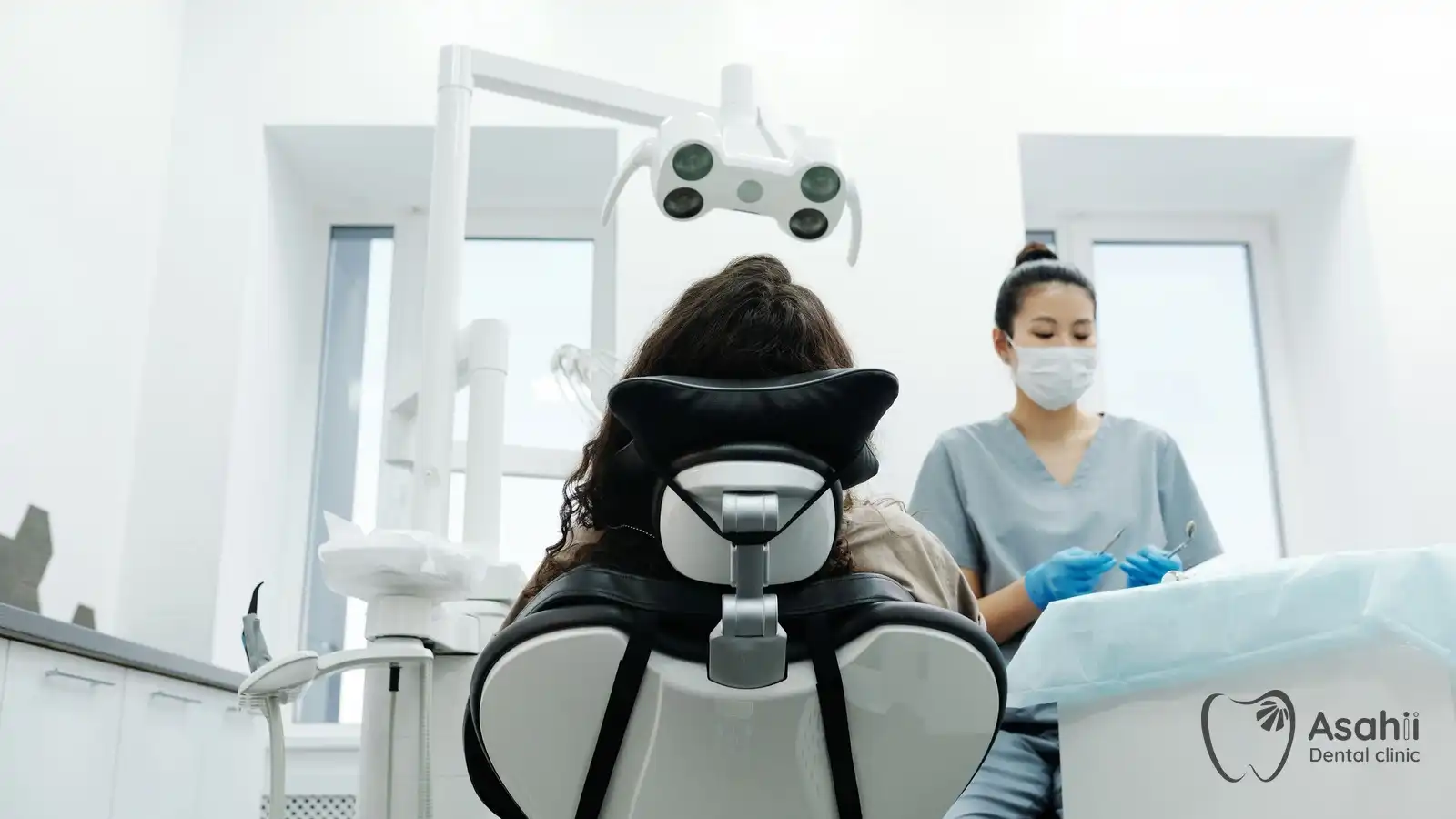
Scaling (removing tartar) is the simplest preventive procedure and the one that prevents the most: gingivitis, periodontitis, bad breath, and it lets the dentist spot decay or other changes in the mouth early. The usual question is "how often". The short answer: it depends on you, usually every six months, and more often for some people.
After eating, bacteria in the mouth form a soft film on the teeth called plaque. Brushing and flossing remove plaque. But wherever it is missed, within a few days plaque absorbs minerals from saliva and hardens into tartar. Tartar bonds firmly to the tooth, and its rough surface becomes a foothold for more plaque. Brushing cannot remove tartar; only the dentist's instruments can.
Tartar tends to collect on the inside of the lower front teeth and the outside of the upper back teeth, near the salivary glands, and below the gum line where you cannot see it.
There is no single right number. The dentist assesses how fast tartar forms, the state of your gums and your risk:

The interval can change over time; the dentist tells you after each visit. For patients of Asahii Dental Clinic, the next date is sent as an automatic reminder through the Zalo Mini App, and every routine visit earns points in the clinic's loyalty programme.
The dentist examines you, assesses the gums, then uses an ultrasonic tip that vibrates the tartar off the teeth with a water spray to cool it, together with hand instruments for the deeper areas below the gum. The teeth are then polished with a rotating cup and fine paste, and fluoride may be applied. A visit usually takes about 30 to 45 minutes. Heavy tartar or periodontitis may need several visits. Asahii is open every day of the week, 08:30 to 19:00, so a visit this short fits into a lunch break or a weekend for people with busy schedules.

The right interval for you can only be set after an examination. See our preventive dentistry page, or book an examination and scaling by hotline 0928 888 121, Zalo or the clinic's Mini App; Asahii is at 2 Lane 37 Le Thanh Nghi Street, Hai Ba Trung, Hanoi.
Not when done correctly. The ultrasonic tip only separates the tartar; it does not grind the enamel. Sensitivity after scaling comes from root surfaces exposed once the tartar covering them is gone, and settles within days.
Usually only mild sensitivity. People with a lot of tartar below the gum or very inflamed gums may find it more uncomfortable, and the dentist can numb the area if needed.
Not advisable. Tools sold online easily scratch the enamel and damage the gum, and they cannot reach tartar below the gum line, where it causes the most inflammation.
Children can also build up tartar, especially on the lower front teeth. The dentist cleans it gently during regular check-ups when needed.
This article is general information reviewed by our dentist; it is not a diagnosis. Only an examination can say what your teeth need.
Tap a star — 1 is not helpful, 5 is very helpful.
Thank you! Your rating helps us write better.
Could not send right now — please try again later.Leave your number — reception calls back to agree a time. The dentist explains and quotes before any treatment.
Bleeding when you brush is a sign of gingivitis. How it differs from periodontitis, how to clean properly, the role of scaling and when to see a dentist.
· 4 min read ·

How to brush properly, choose a brush and toothpaste, use floss and a water flosser, and the common mistakes in everyday oral hygiene.
· 4 min read ·

Khám răng lần đầu gồm những gì, đặt lịch qua hotline, Zalo, form hay Mini App, cần mang theo gì, và vì sao bác sĩ báo kế hoạch, chi phí trước.
· 4 min read ·
Book a visit
Leave your phone number – our front desk will call you back to find a time that suits you.